UAE. DGCU. Results of the Plenary Meeting of the Kimberley Process Participants
Dubai. November, 2025
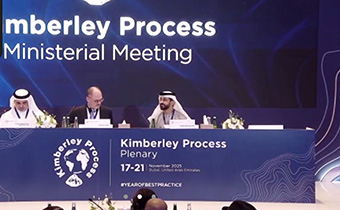
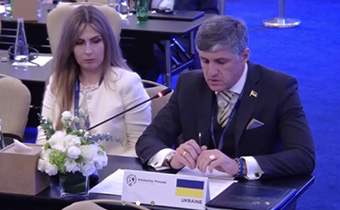
From 17 to 21 November 2025,
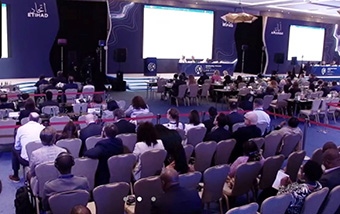
the Plenary Meeting of the Kimberley Process (KP) Participants and the Ministerial Meeting held within its framework on 20 November took place in the United Arab Emirates (UAE).
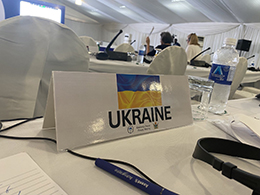
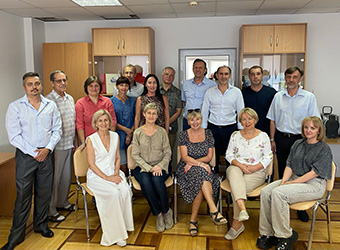
Ukraine was represented at the meetings by the State Gemmological Centre of Ukraine (SGCU), as the KP national authority, and by the Embassy of Ukraine in the UAE. The SGCU delegation (participating online) included Acting Director Mr. Oleg Geleta, Deputy Director and Head of the Diamond Grading Department Mr. Volodymyr Tatarintsev, and chief specialists Ms. Anastasiia Kvachuk and Ms. Kateryna Tatarintseva. The Embassy (in person) was represented by the Ambassador Extraordinary and Plenipotentiary of Ukraine to the UAE, Mr. Oleksandr Balanutsa, and Consul Ms. Nataliia Korolova. At the Ministerial Meeting on 20 November 2025, Ukraine was officially represented by Ambassador Mr. Balanutsa.
The main theme and key agenda item of the Plenary Meeting was the review and update of the definition of “conflict diamonds.” This has long been the most contentious issue within the KP and has been under discussion for many years. The definition of conflict diamonds determines the core content of the KP’s current and future work.
The original definition, as set out in UN General Assembly Resolution 55/56 (2000), described conflict diamonds as “rough diamonds used by rebel movements to finance their military activities, including attempts to undermine or overthrow legitimate Governments.” This formulation has remained unchanged for more than 20 years. It identifies the conflict actors — rebels — and the purpose for which diamonds are used — attempts to overthrow legitimate governments. At that time, the definition was suitable for addressing the realities of civil wars in certain African states.
Today, however, the nature of armed conflicts and global realities have changed, leading to a clear understanding of the need to expand the definition of conflict diamonds.
The discussion on expanding the definition focused on two proposals.
The first proposal was submitted by the African Diamond Producers Association (ADPA). According to ADPA, the definition should include rebels, non-state armed groups, individuals and entities subject to UN Security Council sanctions, as well as actions taken by these actors — namely, financing armed conflicts, including attempts to undermine legitimate governments and the well-being of diamond-producing communities.
The second proposal sought to complement the ADPA formulation by adding armed state actors to the list of conflict actors, and by expanding the scope of actions to include the financing of widespread violence and human rights abuses.
Consensus was reached regarding violence and human rights abuses; however, no consensus was achieved on the inclusion of state actors.
The first proposal, developed by a KP observer (ADPA), was supported by Russia, 16 African states, and 9 others countries (a total of 26). KP observers — the World Diamond Council (WDC) and the Diamond Development Initiative (DDI) — also expressed support.
The second proposal was developed by Ukraine, in cooperation with Australia, the United Kingdom, the European Union (27 EU Member States), Canada, and Switzerland (32 countries in total). This proposal was supported by the KP observer — the Civil Society Coalition (CSC).
It should be noted that observer organizations may express views and submit proposals but do not take part in decision-making.
As a result, the principal and only obstacle during consideration of the draft definition at the KP Plenary Meeting was the inclusion of armed state actors. This issue effectively divided the Kimberley Process almost in half.
It must be emphasized that Ukraine and its partners proceed from an obvious fact: crimes involving diamonds may be committed not only by rebels and non-state groups but also by state armed forces or their proxies, including Russian actors. Russia’s war against Ukraine is financed, among other sources, by revenues from its natural resources, including diamonds.
ОАЕ. ДГЦУ. Пленарна зустріч країн-учасниць Кімберлійського процесу
Дубай. Листопад, 2025
17 листопада 2025 року
в Об’єднаних Арабських Еміратах (ОАЕ) відбулося відкриття Пленарної зустрічі країн-учасниць Кімберлійського процесу (КП), яка триватиме до кінця тижня.
Делегація від України складається зі співробітників Державного гемологічного центру України (онлайн) та Посольства України в ОАЕ (очно).
Перед офіційним відкриттям сесії ДГЦУ, як національний орган Кімберлійського процесу, закликав керівництво КП включити до порядку денного питання про запобігання фінансуванню збройних конфліктів та порушенню державного суверенітету, що відбувається, зокрема, за кошти від торгівлі діамантами.
Голова КП 2025, ОАЕ, оголосили цей рік «Роком найкращої практики». У цьому контексті
ініціатива України має особливу актуальність, адже спрямована на посилення ролі КП
у боротьбі з торгівлею конфліктними діамантами, зокрема — тими, що можуть сприяти агресії росії проти України.
ОАЕ. ДГЦУ. Міжсесійна зустріч країн-учасниць Кімберлійського процесу
Дубай. Травень, 2025
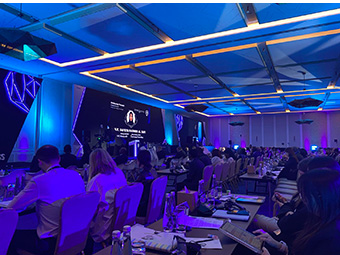
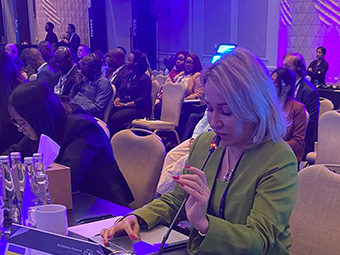
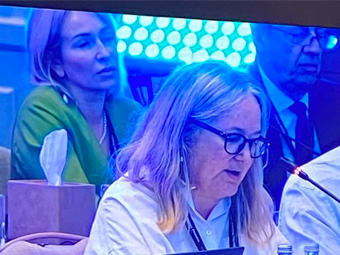
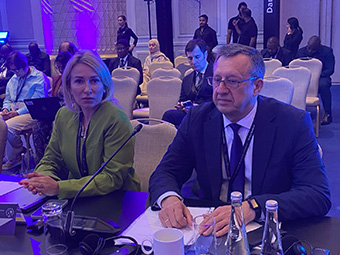
12 травня 2025 року
в Об’єднаних Арабських Еміратах відбулося відкриття Міжсесійної зустрічі країн-учасниць Кімберлійського процесу (КП).
Делегацію від України очолив директор Державного гемологічного центру України Андрій Ткаленко. До складу делегації увійшли Надзвичайний і Повноважний Посол України в ПАР Любов Абравітова, онлайн – заступник директора ДГЦУ Володимир Татарінцев, а також головні фахівчині центру Анастасія Квачук і Катерина Татарінцева.
Перед офіційним відкриттям сесії ДГЦУ — як національний орган Кімберлійського процесу — закликав керівництво КП включити до порядку денного панельну дискусію щодо невідкладного вдосконалення Базового документа КП. Пропозиція ґрунтувалася на резолюціях Ради Безпеки ООН і Статуті ООН, а її мета — зміцнення миру та запобігання фінансуванню міждержавних збройних конфліктів через торгівлю алмазами.
Голова КП-2025, ОАЕ, оголосили цей рік «Роком найкращої практики». У цьому контексті ініціатива України має особливу актуальність, адже спрямована на посилення ролі КП у боротьбі з торгівлею конфліктними алмазами, зокрема — тими, що можуть сприяти агресії росії проти України.
Пропозицію України підтримали Австралія, Велика Британія, Європейський Союз, Канада, Швейцарія. Проти виступили росія, білорусь, Венесуела, Камерун, Киргизстан, ЦАР, а також — вже на сесії — Китай. Через відсутність консенсусу питання не включили до порядку денного. Натомість делегаціям надали по дві хвилини для висловлення своїх позицій.
Від імені України з короткою, але потужною промовою виступила пані Любов Абравітова. Обговорення триває — питання буде розглядатися в робочих групах КП протягом тижня.
ПАР. ДГЦУ. Кімберлійський процес. Засідання AHCRR
Кейптаун. Київ. Лютий, 2025
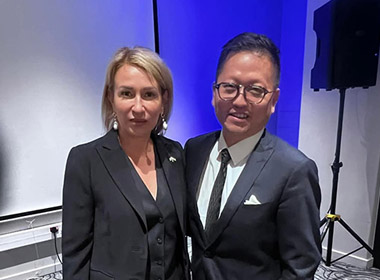
05–06 лютого 2025 року
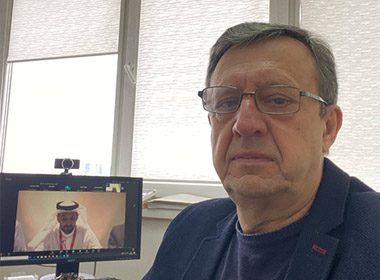
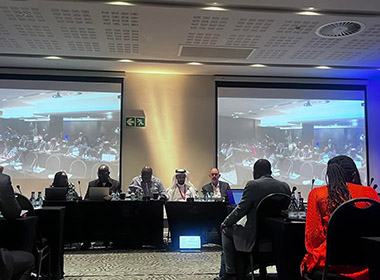
делегація України у складі директора ДГЦУ Андрія Ткаленка (онлайн) та Надзвичайного і Повноважного Посла України в Південно-Африканській Республіці Любові Абравітової взяла участь у зустрічі спеціального комітету з перегляду та реформ Кімберлійського процесу (AHCRR) у Кейптауні, ПАР.
Основні досягнення:
- Завдяки зусиллям Посла України Любові Абравітової нашу пропозицію щодо розширення дефініції "конфліктні алмази" було включено до проєкту документа.
- Проведено двосторонні зустрічі з Головою КП Ахмедом бін Сулаємом та іншими партнерами для обговорення реформ і подальшої співпраці.
- Акцентовано увагу на зловживаннях рф і білорусі, які суперечать цілям Кімберлійського процесу. Наступні кроки:
- Україна продовжить роботу в комітеті AHCRR та візьме участь у зустрічі представників G7 у Брюсселі 12–14 березня.
Разом до прозорого та мирного майбутнього у сфері видобутку алмазів!